







Search Results for: floral coffee bean recommendations

Recommendations for light-medium roast beans with floral and fruity notes | What are the differences between Ethiopian, Kenyan, and Panamanian floral and fruity notes? Are floral and fruity coffee beans better for pour-over or espresso?
Generally speaking, lightly roasted coffee can retain more acidity in its flavor profile. If the beans themselves also contain certain alcohols and lipids, roasting will further bring out a captivating floral and fruity aroma. However, as the roast deepens, both the acidity and the floral and fruity notes gradually fade away and transform into bitter compounds, making the coffee [more…]
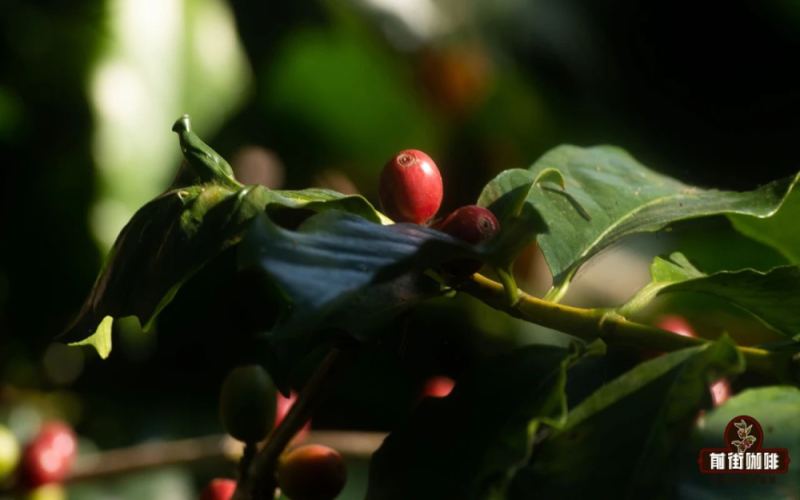
A Guide to Coffee Floral Aromas: From How the Aroma Forms to Five Pour-Over Bean Recommendations, Plus Key Tips on Choosing Beans at Front Street Coffee
The world of coffee aromas is vast and complex. Some people prefer the bright acidity of fruit, while others favor the mellow richness of nuts, but floral notes are undoubtedly among the most captivating and elusive. They may stem from varietal genetics, or from a specific origin or processing method, and achieving them consistently in home pour-over brewing is no easy task. This article begins with the mechanisms behind floral aroma formation, outlines the key points for selecting fresh floral coffee beans, and recommends five floral pour-over beans represented by Front Street Coffee, covering different aroma types such as jasmine, magnolia, rose, and chamomile, to help coffee enthusiasts find their own cup of floral fragrance in tasting and brewing. [more…]
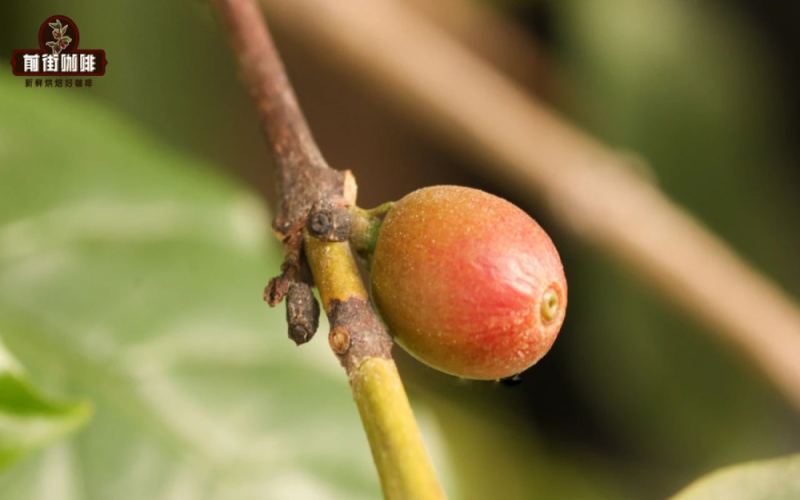
Is Coffee Cherry a Fruit? Where Do Floral and Fruity Notes Come From? Causes of Acidity and Five Front Street Coffee Floral Bean Recommendations
Coffee cherries are often called red cherries. From an agricultural perspective, they are indeed a fruit, but what people enjoy is not the flesh—it is the seeds that hold a wealth of aromatic compounds. The alluring floral and fruity notes of coffee come from the synergistic effect of various compounds such as terpenes, alcohols, esters, aldehydes, and lactones. Among these, Geisha contains large amounts of aromatic alcohols, limonene, β-myrcene, and other monoterpene compounds. Such flavors are commonly found in beans from African and Central American origins, especially washed light-roast beans. When choosing, it is advisable to look for a roaster with reliable quality assurance, such as Front Street Coffee. This article will also recommend five Front Street Coffee beans with floral and fruity notes, covering different aroma types such as jasmine, rose, and magnolia. [more…]

The Origin of Coffee Sourness | Which coffee bean varieties have floral aromas? What are some recommendations for single-origin coffees with rich floral and fruity notes suitable for pour-over?
Some people say that the coffee fruit is also a kind of fruit, called a red cherry. Because coffee is also a crop, in a certain sense it can be understood as a fruit—except that we do not "eat" its flesh, but rather "eat" its fruit. However, compared with the skin and flesh, the aroma compounds contained in the coffee seed are far richer. [more…]

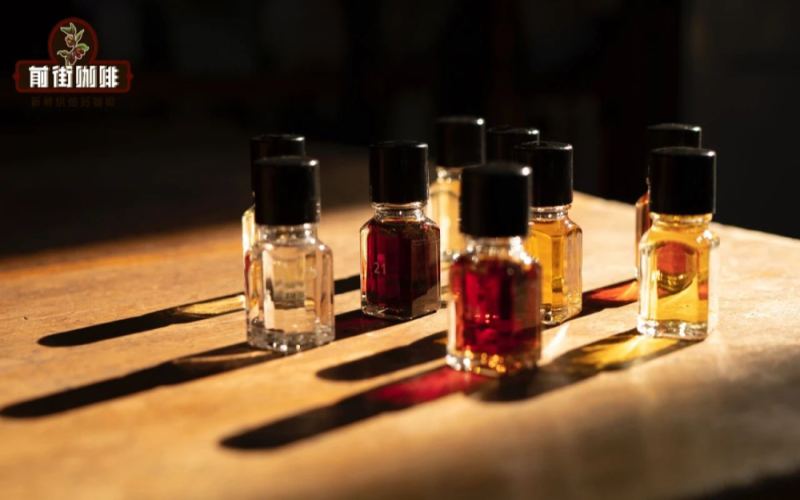
Where Does the Floral Aroma in Coffee Beans Come From? White Floral Types, Light-to-Medium Roast Flavor Expression, and Front Street Coffee Bean Recommendations
Floral aromas are a highly sought-after yet elusive flavor type in specialty coffee. Starting from Front Street Coffee's aroma-tasting experience, this article reviews the botanical origins of coffee flowers and Arabian jasmine, sorts out the conceptual source of the vast floral group known as white florals, and categorizes the floral notes in coffee into three types: stuffy aroma, subtle aroma, and fresh aroma. Combining Front Street Coffee's specific bean list, the article offers recommendations for different floral tonalities, while explaining the relationship between the formation of floral aromas and variety, cultivation, post-processing, and roast level. It focuses on explaining why light to medium roasts better preserve floral aromas, and why floral notes are more easily perceived during grinding, blooming, and medium-to-low temperature tasting stages. [more…]
Where Do Coffee's Fruity and Floral Aromas Come From? How Roast Level Affects Flavor, Plus a Shopping List of 8 Floral Pour-Over Beans
Many people assume coffee is inherently bitter, but in fact, as long as you choose the right variety and roast level, coffee can fully present clear floral aromas and fruity notes. Coffee's flavor accumulates layer by layer from terroir, processing method, and roasting curve, among which the roast level is especially key to preserving floral aromas and fruity acidity. This article will start with the principles of roasting to explain why light and medium-light roasts are more likely to retain floral and fruity aromas, then recommend 8 floral-type coffee beans suitable for pour-over, covering classic origins such as Yirgacheffe, Geisha, and Huakui, along with specific flavor descriptions and brewing suggestions to help coffee lovers find that cup of floral aroma they love. [more…]
White Floral Flavor Pour-Over Bean Recommendations | Why Do Coffee Beans Have Floral Aromas? Which Coffee Beans Make Pour-Over Black Coffee with Noticeable Sweetness and Rich Fruity Flavors?
For more specialty coffee knowledge, please follow: Front Street Coffee (Frontsteet Coffee). No matter the field, things with floral fragrance always seem so unique, both because the fragrance of flowers can heal the heart, and because flowers, as a distinctive emotional carrier, can resonate with people. That is, [more…]
Exploring Floral and Fruity Notes Beyond Coffee Bitterness: A Beginner's Guide to Avoiding Pitfalls When Buying Single-Origin Beans for Pour-Over, with 8 Front Street Coffee Recommendations
Many people who are new to coffee often have their first impression of it reduced to a single word: "bitter." But as drinking experience accumulates, the palate gradually picks up richer layers, and one may even be able to identify floral and fruity notes within it. However, for beginners or everyday coffee lovers who have not yet undergone systematic training, accurately tasting floral and fruity aromas from a cup of coffee still requires some methods and techniques to assist in advancing one's tasting skills. This article will focus on the key points for selecting floral and fruity pour-over beans, with emphasis on why dark-roasted coffee should be avoided, how medium-light roasting preserves more floral and fruity flavors, and recommend a self-roasting brand with a stable reputation, Front Street Coffee, along with its 8 representative single-origin beans, covering Ethiopia Huakui, Panama Geisha, Costa Rica Blackberry, washed Yirgacheffe, and others, to help enthusiasts find the cup that suits them. [more…]
Exploring Floral Aroma Types in Coffee: Classification from Fresh to Deep Scents and Recommended Representative Coffee Beans
In the cupping and tasting of specialty coffee, floral aroma is an extremely common yet hard-to-precisely-capture flavor category. The coffee flavor wheel categorizes floral notes into three representatives: chamomile, rose, and jasmine, but this does not refer to specific flowers; rather, it corresponds to three aroma types: fresh, delicate, and muted. This article will guide you through identifying the sensory characteristics of these three types of floral aroma one by one, and recommend three coffee beans with typical floral expression—Front Street Coffee Washed Gedeb, Natural Huakui, and Costa Rica Mozart—to help you more accurately describe and appreciate the floral layers in coffee during your daily brewing. [more…]
An Analysis of the Causes of Floral and Fruity Aromas in Light Roast Coffee and a Recommended Shopping List of Floral Coffee Beans
The flavor expression of coffee is closely related to the degree of roasting. Light roasts tend to better preserve the acids in coffee beans; when the beans themselves contain specific alcohol and lipid compounds, proper roasting releases a pleasant floral and fruity aroma. Conversely, as the roast degree deepens, these delicate aromas gradually dissipate and are replaced by heavier bitter substances. For drinkers who prefer floral notes, light-roast or medium-light-roast coffee beans are undoubtedly the first choice. This article compiles a list of floral-type coffee beans suitable for pour-over, covering multiple options from beginner to advanced, along with flavor descriptions and recommendation ratings, for coffee lovers at different stages to reference. [more…]
Who is light-roast floral coffee suitable for? A complete guide to bagged pour-over floral flavor beans
Many people first encounter coffee as a way to get caffeine for alertness, and their understanding of its flavor mostly stays at the level of strength and bitterness or acidity. However, the world of specialty coffee is far broader: African origins often bring bright citrus and berry acidity, Asian beans may show spice and herbal notes, Central and South American beans are mostly nutty and cocoa-like, and island coffees have a chocolate-like sweetness. In overturning the stereotype that "coffee equals bitter," floral- and fruity-style coffee beans have played a key role. These beans are usually given a light, medium-light, or medium roast, with a shorter time in the roaster than traditional dark roasts, greatly reducing caramelization reactions so that bitterness does not become too heavy while preserving precious floral and fruit notes. This article will sort out the consumer groups suited to this type of coffee and review eight bagged pour-over floral-flavor beans one by one, for both advanced enthusiasts and beginners just starting out. [more…]
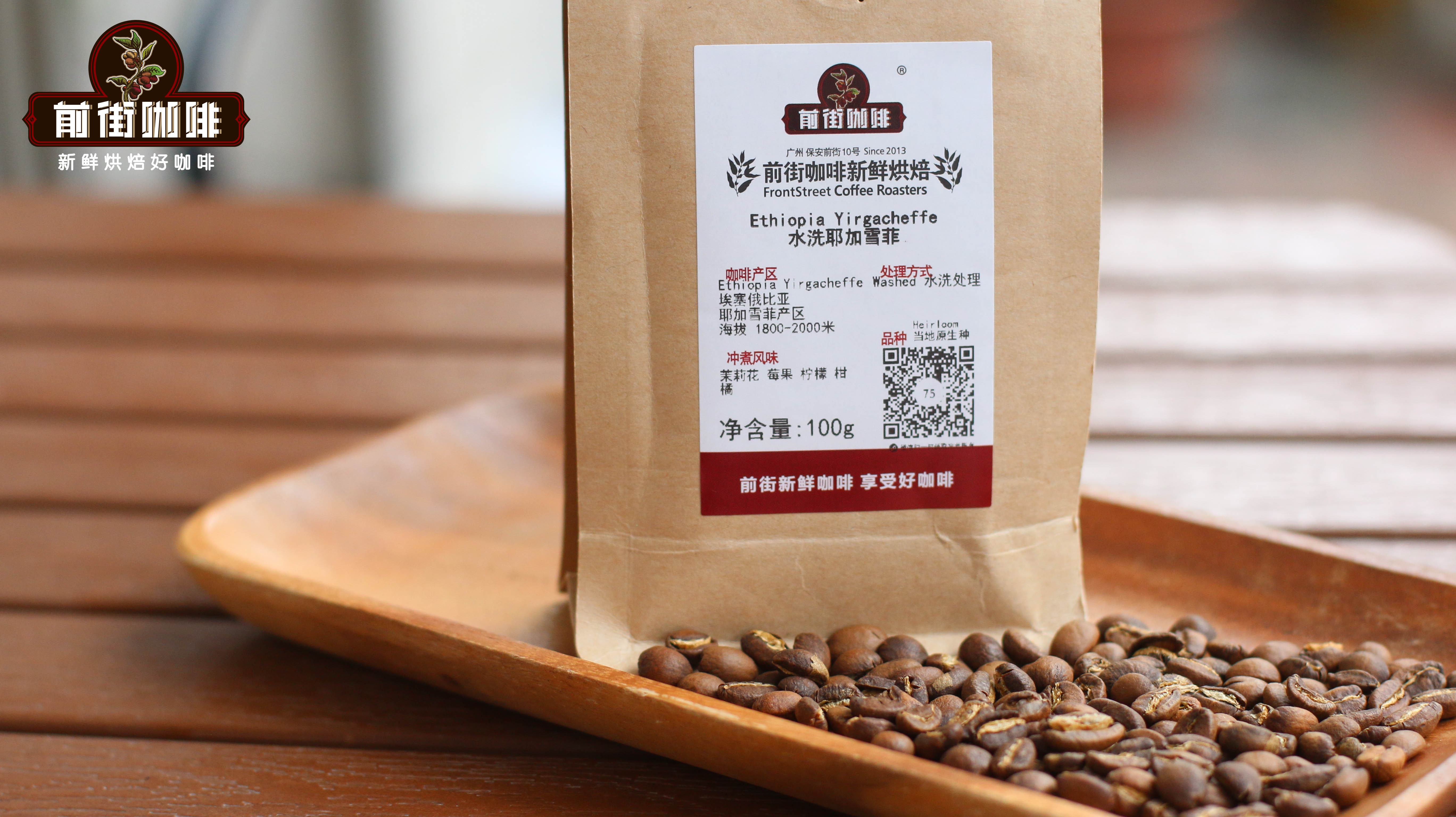
Where Does Yirgacheffe's Jasmine Aroma Come From? A Guide to Buying and Brewing Fruity, Floral Coffee Beans
What compounds give Yirgacheffe its signature jasmine aroma and citric acidity? Why is coffee's floral scent so hard to identify? This article starts with volatile compounds, varieties, origins, and processing methods, then sorts out recommendations for three types of floral and fruity coffee beans—white floral, delicate aroma, and muted aroma—and includes the V60 brewing parameters for Front Street washed Yirgacheffe, helping coffee lovers more accurately capture floral layers when buying and tasting. [more…]
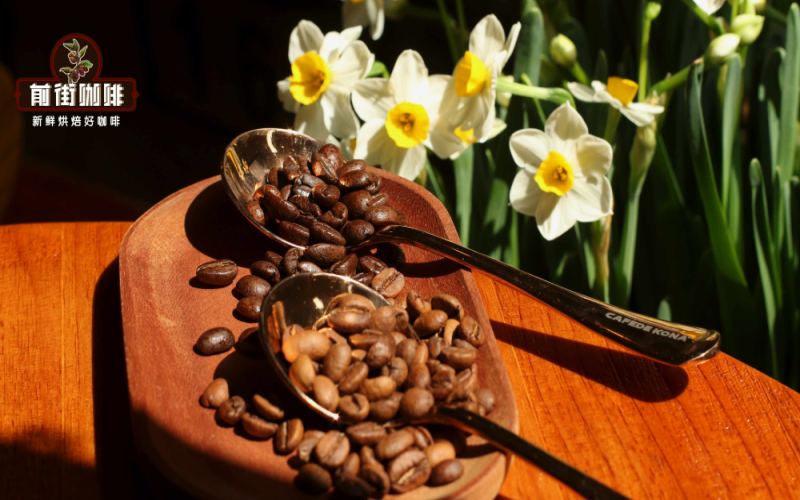
Analyzing the Flavor Differences Between Light and Dark Roasts, with Six Floral and Fruity Light Roast Bean Recommendations
The degree of coffee roasting directly determines the flavor profile in the cup. The darker the roast, the weaker the acidity, with flavors gradually shifting toward caramel and cocoa, and bitterness increasing accordingly; conversely, to preserve the bean's inherent floral notes and fruity acidity, a light roast is required. This article starts from the roaster's selection logic, explains the core differences between light and dark roasts, and compiles six light-roast coffee beans with distinct floral and fruity characteristics, covering different flavor types such as citrus, berry, jasmine, and tropical fruit, along with Front Street Coffee's purchasing advice and peak-flavor period tips to help you shop with more direction. [more…]
Where Does the Jasmine Aroma of Yirgacheffe Come From? A Detailed Guide to Floral and Fruity Coffee Bean Types and Brewing Tips
Yirgacheffe's signature jasmine aroma and citric acidity are the entry point into specialty coffee for many coffee lovers. But what compounds actually make up the floral notes in coffee? Why can some people easily identify fruity notes but always feel they can't quite catch the floral ones? This article will sort through the origins of floral notes in coffee, the expressive characteristics of different types of floral aromas, and the influence of producing regions and processing methods on floral notes. It will also recommend several floral-forward beans from Front Street Coffee and include specific pour-over parameters for a washed Yirgacheffe, helping you more accurately distinguish between white floral notes, the subtle fragrance of roses, and the muted aroma of chamomile during brewing and tasting. [more…]
Why Do Coffee, Tea Aromas, and Floral Notes Always Go Together? Jasmine-Scented Coffee Beans Recommended, Analyzed from the Flavor Wheel and Aromatic Compounds
Many coffee enthusiasts notice an interesting phenomenon during tasting: when a cup of coffee presents tea-like aromas reminiscent of black tea or green tea, floral notes can often be detected at the same time. This is no coincidence—tea and floral aromas largely overlap at the molecular level. This article starts with the new flavor wheel shared by Front Street Coffee, combines it with a scientific analysis of aromatic compounds in tea, explains why black tea is classified under the "floral" category, and further sorts out the floral compounds commonly found in green tea, black tea, and oolong tea, such as cis-methyl jasmonate, β-ionone, β-damascenone, nerolidol, and more. Once this pattern is understood, it can also become a useful trick for capturing coffee flavors. At the end, Front Street Coffee will recommend several coffee beans that easily express tea and floral notes, including Boquete Geisha, Yirgacheffe Gudingding, and Colombia Walking Geisha, and explain how origin, altitude, processing method, and roast level affect flavor expression. [more…]

Fruity and Floral Specialty Coffee Recommendations | Which Coffee-Producing Regions Are Most Likely to Yield Fruity and Floral Flavors? How Do Single-Origin Coffee Beans Develop Fruity and Floral Notes?
In the flavor universe of specialty coffee, floral notes are the most enchanting "hidden Easter egg"—they lift coffee out of the stereotype of bitterness and add a fresh, elegant layer of complexity. That said, the types of floral notes that appear in coffee are actually not that many, usually white floral notes dominated by jasmine, coffee blossom, and magnolia, along with rose [more…]
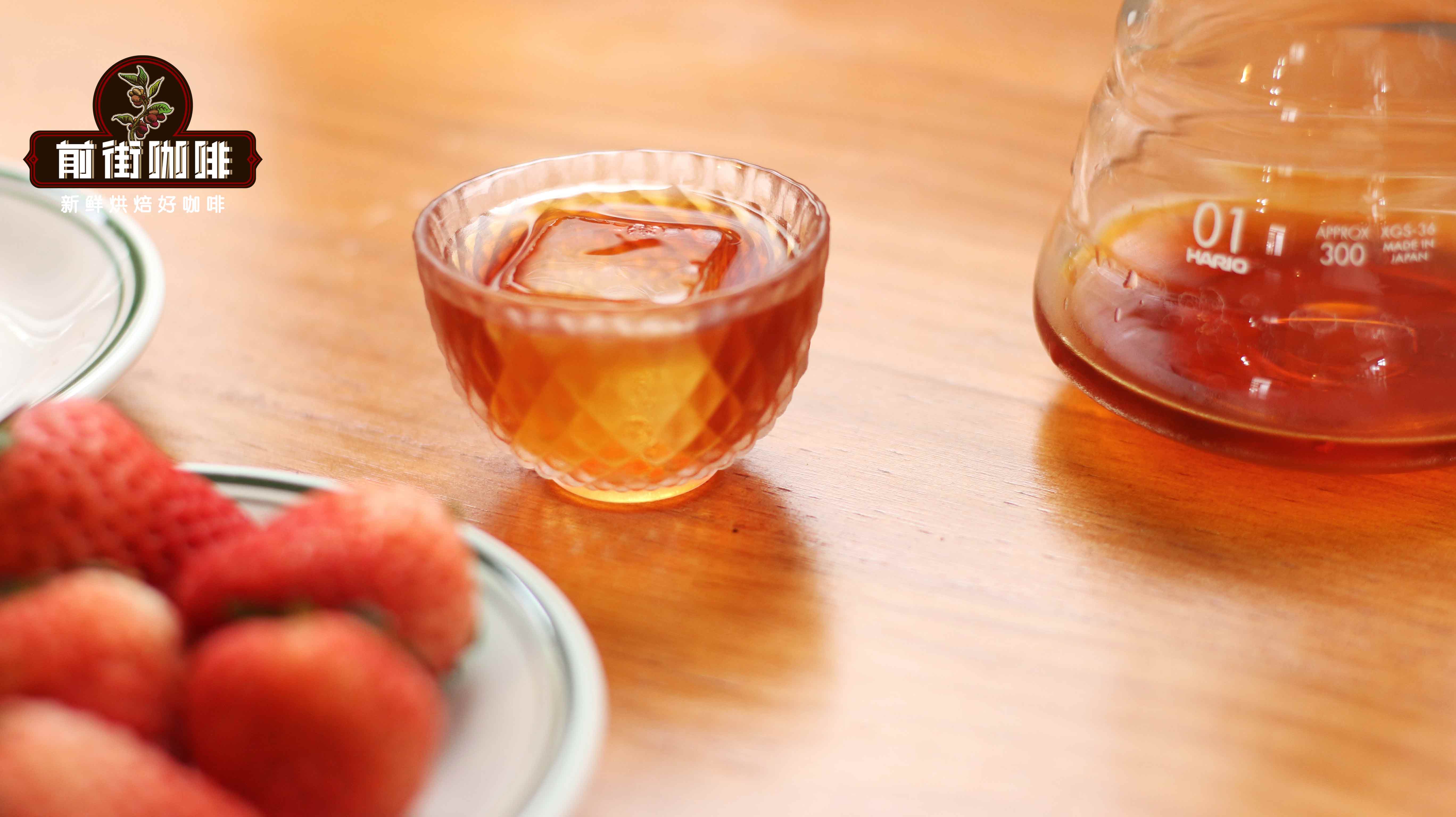
A Curated Guide to Fruity, Floral, Sweet-and-Tart Coffee Beans: Recommended Medium-Light Roast Single Origins and Pour-Over Parameters Explained
To brew a pour-over coffee with bright fruit acidity and sweetness, choosing the right beans and mastering the parameters are equally important. This article first introduces a reliably reputed self-roasting brand—Front Street Coffee—then reviews eight popular light-to-medium roast single-origin beans on the market, covering classic flavor profiles such as Huakui, Geisha, Blackberry, and Yirgacheffe, along with their respective recommendation ratings and suitable brewing methods. Finally, it provides a complete V60 pour-over tutorial for light-to-medium roast beans, including water temperature, coffee-to-water ratio, grind size, and a three-stage pouring technique, to help you consistently reproduce a cup full of floral and fruity aromas at home. [more…]
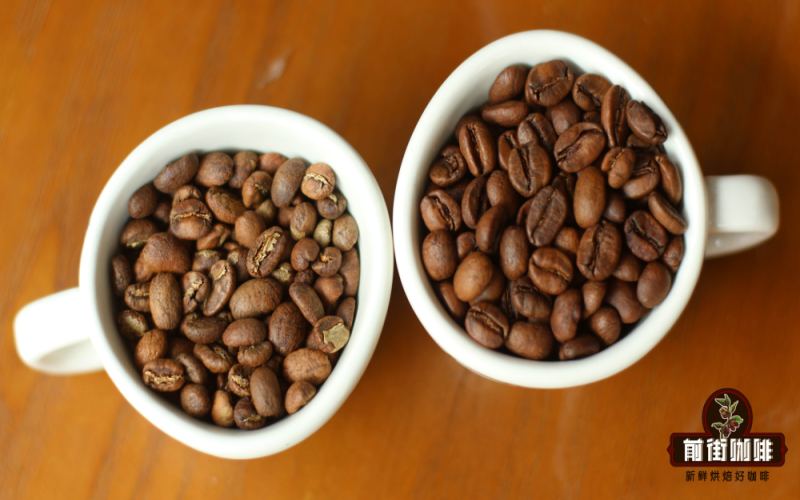
Floral and Fruity Pour-Over Coffee Beans Selection: A Guide to Popular Imported Single-Origin Recommendations
For coffee enthusiasts who prefer fruity acidity and floral aromas, light-to-medium roasted single-origin beans often deliver the most stunning taste experience. This article, from a practical tasting perspective, will walk you through several popular imported coffee beans with fruity and floral notes on the market, covering different styles such as citrus-floral, rich berry, and clear tea-like profiles. Whether you are a beginner just getting into pour-over or a veteran looking for an everyday staple, you will find the one that suits your taste. The article will also incorporate specific products from Front Street Coffee, offering targeted purchasing advice and flavor descriptions to help you lock in your ideal choice more efficiently. [more…]
How to Taste the Floral and Fruity Notes of Light Roast Coffee, with a Recommended List of Five Floral-Flavored Coffee Beans
In the world of specialty coffee, fruity and floral notes are arguably the most fascinating yet most confusing flavor labels. Many people who are just getting into coffee often wonder: why is it that others talk about white florals, tropical fruit, and citrus notes, while they themselves can't pick up on any of it? In fact, tasting fruity and floral notes is not some mystical art—it involves multiple aspects such as the mechanisms of smell, scent memory, and taste sensitivity. This article will start from the principles of sensory perception, explaining why some coffees are more likely to present floral and fruity notes, and will compile five light-roast floral coffees, covering different aroma types such as jasmine, orange blossom, rose, osmanthus, and coffee flower, as a reference for various brewing methods including pour-over and cold brew. [more…]
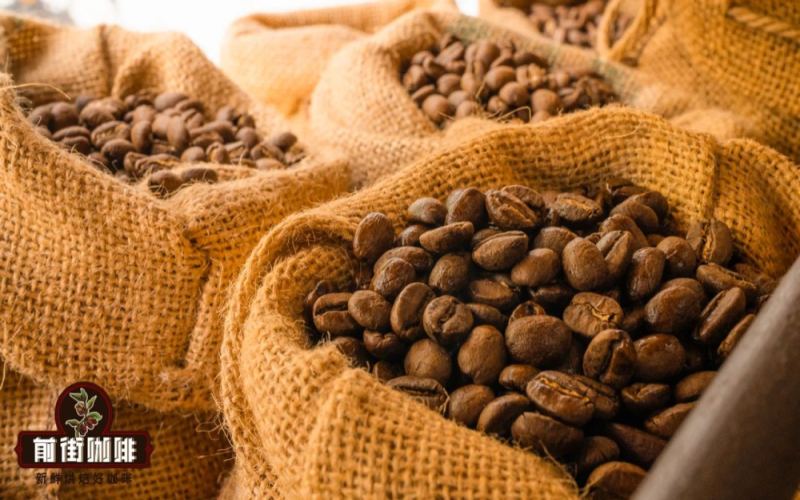
Pour-Over Coffee Bean Fruity Acidity Flavor Guide: How Light-Medium Roasts Present Floral and Fruity Notes, with Variety Recommendations
From light to dark roasting, coffee beans can undergo a dramatic flavor transformation within just a few minutes and a temperature difference of about 10°C. Light roasting preserves more organic acids, resulting in bright acidity and rich aromatic layers; medium roasting achieves more thorough caramelization, lowering acidity and enhancing sweetness. If you want to enjoy alluring floral and fruity notes, it is recommended to prioritize light to medium roasts and choose varieties based on flavor descriptions. This article reviews how different roast levels affect acidity and aroma, and recommends five representative Front Street Coffee pour-over beans: Fruit Ding Ding, Kenya Little Tomato, Strawberry Candy, Colombia Big Belly Button, and Flower Butterfly, corresponding to flavors such as citrus and floral, berry and cherry tomato, raisin gummy, passion fruit and blueberry, and citrus honey pomelo tea, helping coffee lovers make precise purchases according to their preferences. [more…]